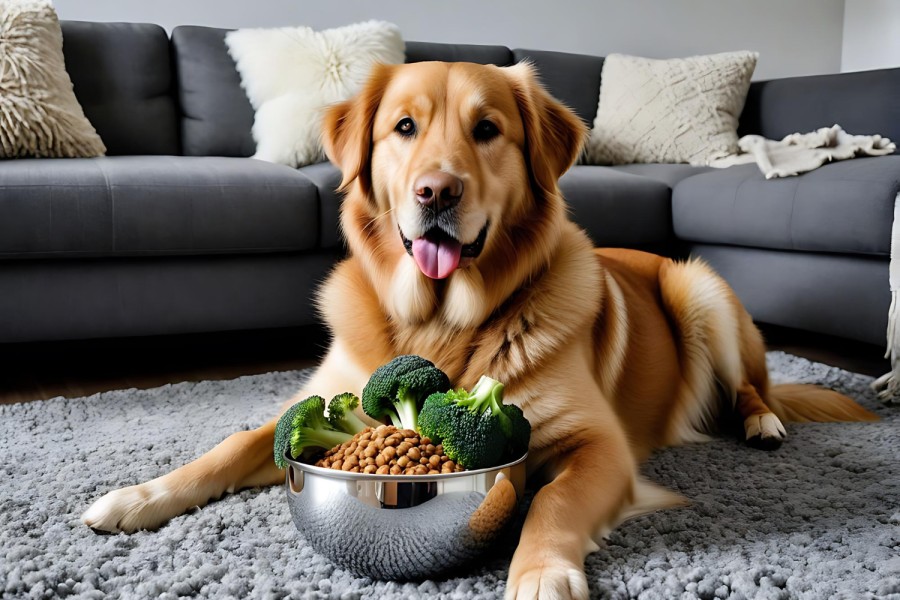

All dog parents want to give their pets the best food, but it’s easy to get confused among the numerous brands, claims, and fancy packaging on the market. The actual quality of the dog food does not lie in the visuals and marketing hype, but in the nutrition label on the back of the package. One of the most valuable abilities a pet owner can have is understanding dog nutrition, because it allows them to choose meals that really support the dog’s long-term health, energy, immunity, and happiness.
However, the question is: dog food labels often read like a chemistry book. With complicated terms, confusing percentages, and hidden ingredients, most dog owners don’t know what’s good, what’s harmful, or what’s simply filler. In this blog, we simplify everything so you can decode dog food nutrition labels with confidence and make informed choices your furry friend will thank you for.
Why Understanding Dog Food Nutrition Matters
Nutrition in dog food plays a central role in your pet’s quality of life. It affects:
- Energy levels
- Strengthen the Immune system functionality
- Skin and coat health
- Digestive health
- Joint mobility
- Muscle development
- Longevity
An adequately-fed dog is not only in good health inside, but also appears glossy-coated, has clear eyes, maintains constant energy, shows strong defense, and maintains an optimal body weight. A proper understanding of dog food nutrition enables one to recognize premium feeds, avoid unhealthy additives, and choose diets that provide total and balanced nutrition.
1. Begin with the Ingredient checklist
Every dog food nutrition label commences with the ingredients list. By law, ingredients should be listed in order of weight, from highest to lowest.
What You Want to See First:
- Named meat proteins like chicken, turkey, lamb, or salmon
- Whole food ingredients
- Clean carb sources like brown rice, oats, or sweet potato
What You Must Avoid:
- Common meats include “meat meal,” “animal fat,” or “poultry by-product.”
- Corn, wheat, and soy as the primary ingredients
- Artificial flavours, colours, and preservatives
A healthy label always begins with a real, recognizable animal protein. For example, a premium product may comprise whole chicken or nutritious additions like freeze-dried chicken feet, which offer natural glucosamine and chondroitin for joint health.
A simple rule:
If the first three ingredients don’t sound like real food, it’s not real nutrition.
2. Check the Nutritional Competence Statement
Situated near the bottom of the dog food nutrition label, the nutritional adequacy statement validates whether the food meets AAFCO (Association of American Feed Control Officials) standards.
Look for:
✔ “Complete and balanced.”
✔ The lifespan it is aimed at: puppy, adult, or senior
✔ System of testing—developed vs feeding trials
If the label doesn’t introduce this statement, it’s not advised as a prime meal.
3. Evaluate the Guaranteed Analysis
The guaranteed review is the leading section when evaluating dog food nutrition. It lists the minimum and maximum levels of key nutrients, such as:
- Crude Protein (min%)
- Crude Fat (min%)
- Crude Fibermax%)
- Moisture (max %)
- Other nutrients such as Omega-3, Omega-6, calcium, and glucosamine.
What to look for:
- Higher protein level (generally 22–30% for adult dogs)
- Moderate fat content (10–20% depending on activity level)
- Low-quality foods (<2%) can be a problem
- Too high fiber>10%) can indicate filler ingredients
The nutritional demand for a dog varies with breed, weight, and activity level, but that large-size table can provide you with an “all-knowing” position in the care of your pet’s well-being.
4. Understand Protein Sources and Quality
Problems related to the liver, pancreas, kidney, and other abdominal organs, as well as many other deeper causes, remain enshrouded in silence.
- Whole meats (best quality)
- Meat meals (high protein but unclear quality if unnamed)
- By-products (low-quality protein sources)
Whole meats
These are ideal but contain moisture, so protein concentration appears lower.
Meat meals
It may be a good source of concentrated protein if appropriately named, for example, “Chicken Meal”.
Avoid
“Animal Meal,” “Meat By-product,” or vague terms—these can come from multiple unknown sources.
The quality of protein directly affects muscle development, energy levels, and immune strength. When evaluating dog food nutrition, always choose transparency over ambiguity.
5. Carbohydrates & Grains: The Truth
Many dog owners often misunderstand carbohydrates. The primary reason for condemning carbohydrates is the low-quality carbs, which are the only harmful ones.
Healthy carbs include:
✔ Brown rice
✔ Sweet potato
✔ Pumpkin
✔ Oats
Unhealthy fillers include:
✘ Corn gluten meal
✘ Soy flour
✘ Wheat middlings
✘ Refined starches
Carbs contribute to fiber, digestion, and sustained energy—when chosen correctly.
6. Look for Healthy Fats
Fats are an essential part of a dog’s nutritional needs. They supply energy, support cognitive function, and sustain a shiny fur.
Healthy fat sources include:
- Salmon oil
- Flaxseed
- Chicken fat
- Sunflower oil
It is best to avoid such uninformative names as animal fat or rendered fat, which are suggestive of the worst quality.
7. Watch Out for Additives and Preservatives
Some industrial foods use laboratory preservatives and enhancers. Avoid products containing such unhealthy substances:
- BHA
- BHT
- Ethoxyquin
- Artificial colours
- Caramel colouring
Instead, look for natural preservatives like:
✔ Mixed tocopherols (vitamin E)
✔ Rosemary extract
✔ Ascorbic acid (vitamin C)
Organic ingredients support cleaner nutrition in dog food and reduce the risk of sensitivities.
8. Understand Serving Sizes & Feeding Guidelines
Each dog owner has an indefinable way of caring for their dog; they want to ensure their pet is well cared for.
- Age
- Weight
- Activity level
- Metabolism
- Spayed/neutered status
Overfeeding, even high-quality food, can lead to weight gain, which affects mobility and overall health. Proper dog food nutrition includes portion control based on your dog’s specific needs.
9. Special Diets and How Labels Change
Depending on your dog’s health, you may need foods labeled for specific needs:
- Grain-free diets
- Hypoallergenic diets
- Weight management formulas
- Senior dog diets
- High-protein or working-dog formulas
When you select dietary requirements, pay even closer attention to dog food nutrition labels; some brands use marketing terms while still packing fillers or low-grade ingredients.
10. Why Minimally Processed or Fresh Diets Are Better
Fresh, graciously cooked, or air-dried meals better preserve nutrients than heavily processed kibble. Hence, many pet owners like Georgina’s Kitchen, which highlights:
- Real proteins
- Clean ingredients
- Minimal processing
- Fresh formulations
- Transparent recipes
These meals closely align with natural dog nutrition requirements and support digestive health, coat quality, and sustained energy.

How Georgina’s Kitchen Helps You Make Better Choices
At Georgina’s Kitchen, each recipe is designed to meet the authentic dog food nutrition guidelines. The nourishment to dogs from their food is concentrated on:
- Premium protein sources
- Whole food ingredients
- Natural fats for energy
- Balanced carbs for digestion
- Essential vitamins and minerals
- No artificial additives
Whether you’re choosing air-dried food, fresh meals, or nutrient-rich treats, the focus is always on clean, science-based nutrition that strengthens your dog from the inside out.

Conclusion
Interpreting dog food nutrition is not at all difficult, it is a kind of power. By learning how to interpret ingredient lists, analyze nutritional composition, and avoid low-quality supplements, you can select the foods that really feed your pet.
A healthy dog starts with honest nutrition, and each heading tells a story.
Decide accurately today, because your furry friend’s future relies on what goes into their bowl.