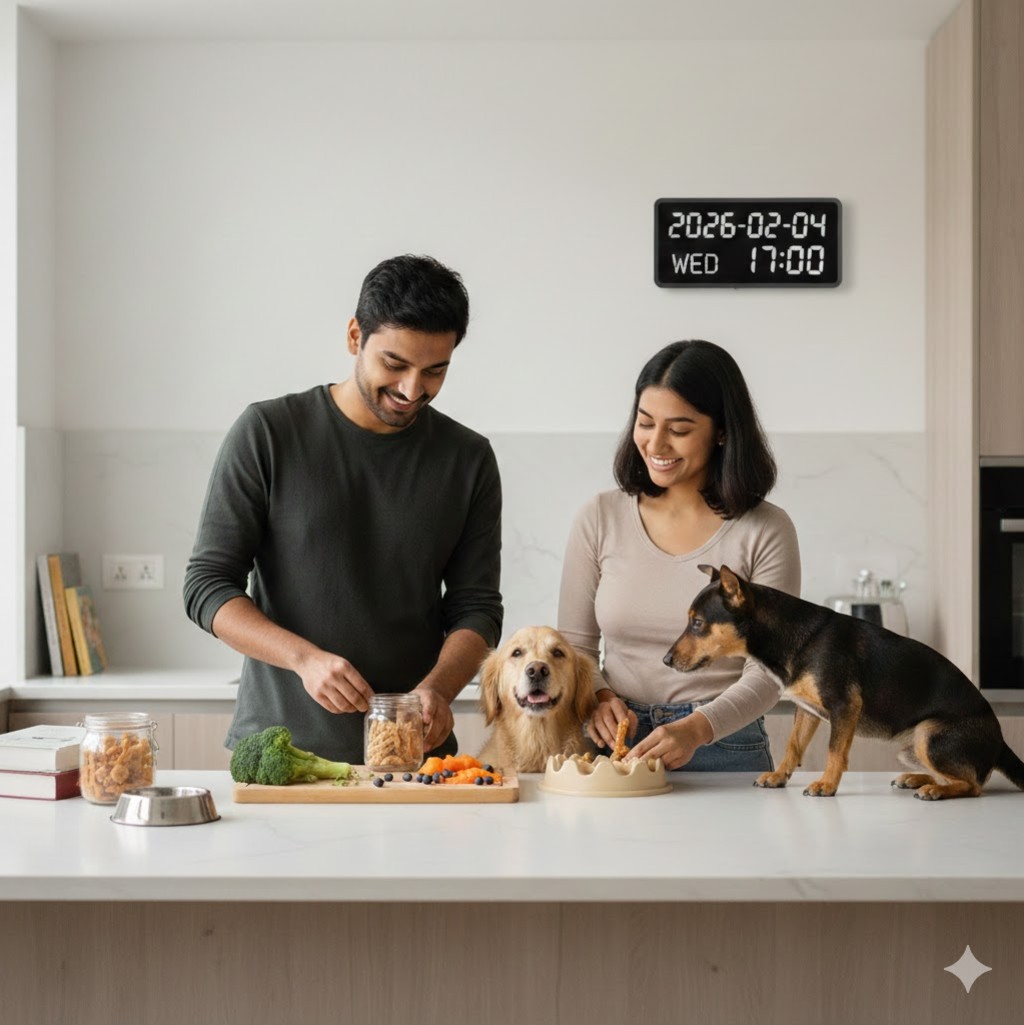

Living in Bangalore’s bustling environment- from the humid climate of Koramangala to the cooler evenings in Whitefield- presents unique challenges for dog parents. Between traffic-choked streets making vet visits time-consuming and the city’s rising pet healthcare costs, knowing how to check dog health at home has become an essential skill every responsible dog owner must master.
Your dog can’t tell you when something feels wrong, but their body speaks volumes if you know what to look for. Regular home health monitoring doesn’t replace professional veterinary care, but it empowers you to catch potential problems early, save emergency costs, and make informed decisions about when that Sarjapur Road vet visit is truly necessary.
Why Home Health Monitoring Matters for Dog Parents
India’s climate, air quality challenges, and urban lifestyle factors create specific health risks for dogs. The scorching summer heat can trigger dehydration within hours, while monsoon humidity breeds skin infections and tick infestations. Add to this the stress of firecracker seasons (Diwali, New Year), and your furry companion faces health challenges that demand vigilant home monitoring.
Learning how to check dog health at home enables you to:
- Detect early warning signs before conditions become critical
- Reduce unnecessary vet visits (and save 30-40% on healthcare costs)
- Build a comprehensive health baseline for your specific dog
- Communicate more effectively with veterinarians when issues arise
- Provide better quality of life through preventive care
The Essential Daily Health Checks Every Dog Parent Should Perform
Monitor Your Dog’s Physical Vital Signs
Eyes – Windows to Wellness
Healthy dog eyes should be bright, clear, and free from excessive discharge. Each morning, check for:
- Redness or inflammation around the eye area
- Cloudiness or color changes in the pupils
- Excessive tearing or yellow/green discharge (indicating possible infection)
- Squinting or pawing at eyes (signs of discomfort or foreign objects)
The dust and pollution levels make eye issues particularly common in dogs who frequent parks. A quick 30-second eye check can catch conjunctivitis or allergies before they escalate.
Nose Condition and Discharge
Contrary to popular belief, a warm nose doesn’t automatically mean illness. When you check dog health at home, focus instead on:
- Discharge consistency: Clear is normal; thick, colored, or bloody requires attention
- Crustiness or cracking: May indicate dehydration or sunburn
- Excessive dryness: Can signal fever or immune issues
Dental and Gum Health
Lift your dog’s lips weekly to examine teeth and gums. Healthy gums appear pink (or pigmented based on breed) and firm. Watch for:
- Reddened or bleeding gums (gingivitis warning)
- Brown tartar buildup on teeth
- Loose or broken teeth
- Persistent bad breath (beyond normal doggy smell)
Pro tip: Offering freeze-dried chicken feet as an occasional treat not only delights most dogs but also provides natural teeth-cleaning benefits through the chewing action, while supplying glucosamine for joint health- a win-win for senior dogs.
Behavioural and Energy Level Assessments
Activity and Energy Patterns
Your dog’s normal energy level is their health baseline. When you check dog health at home through behavioral observation, note:
- Sudden lethargy or reluctance to play (may indicate pain, fever, or illness)
- Excessive hyperactivity (could signal anxiety or hyperthyroidism)
- Changes in sleep patterns (sleeping significantly more or less than usual)
- Difficulty standing or climbing stairs (joint or neurological issues)
Document these patterns in a simple phone note- it becomes invaluable information when consulting your vet.
Eating and Drinking Habits
Changes in appetite often signal health problems before physical symptoms appear:
- Increased thirst (diabetes, kidney disease warning)
- Decreased appetite lasting 24+ hours (digestive issues, fever, dental pain)
- Eating grass excessively (stomach upset or nutritional deficiency)
- Gulping food too quickly then vomiting (megaesophagus or anxiety)
India’s heat means dogs naturally drink more during summer (April-June), but sudden increases outside seasonal norms warrant attention.
Skin, Coat, and External Body Examination
Weekly Full-Body Check
Set aside 10 minutes a week for a thorough physical examination. Run your hands over your dog’s entire body, checking for:
- Lumps, bumps, or swellings (especially important for senior dogs)
- Hot spots or raw patches (common during humid monsoons)
- Parasites like ticks or fleas (endemic in Bangalore’s green areas)
- Hair loss or bald patches (fungal infections, allergies, or stress)
- Skin color changes (yellowing indicates liver issues)
The coat should feel smooth and smell neutral. When you regularly check dog health at home through touch, you’ll immediately notice abnormal textures or temperatures that signal infection or inflammation.
Paw and Nail Inspection
India’s hot pavements (especially in areas like MG Road or Brigade Road) can burn paw pads, while monsoon puddles invite fungal infections:
- Check between the pads for cuts, foreign objects, or redness
- Examine nail length (overgrown nails affect gait and joint health)
- Look for cracked or peeling pads (moisturize with coconut oil)
- Smell paws (yeasty or foul odor indicates infection)
Digestive System Monitoring
Stool Quality Assessment
Yes, examining poop is unglamorous, but it’s crucial when you check dog health at home. Healthy stool should be:
- Chocolate brown in color (variations indicate digestive issues)
- Formed but not rock-hard (log-shaped, easy to pick up)
- Free from blood, mucus, or worms
- Consistent in frequency (typically 1-2 times daily for adult dogs)
Sudden diarrhea, especially during Bangalore’s water contamination-prone monsoon season, requires immediate hydration monitoring and possibly a vet visit if it lasted beyond 24 hours.
Urination Patterns
Track your dog’s bathroom habits:
- Frequency changes (increased urination suggests diabetes or UTI)
- Straining or crying while urinating (bladder stones or infection)
- Blood in urine (emergency requiring immediate vet attention)
- Accidents in house-trained dogs (medical issue or anxiety)
Comparison Table: Home Health Monitoring vs. Professional Vet Visits
| Aspect | Home Health Checks | Professional Vet Examination |
| Frequency | Daily to weekly monitoring | Annual wellness or when issues detected |
| Cost | Free (after learning techniques) | ₹950 per consultation in Bangalore |
| Tools Required | Hands, eyes, thermometer (₹200-₹500) | Specialized equipment (blood tests, X-rays, ultrasound) |
| Detection Capability | External symptoms, behavioral changes | Internal conditions, bloodwork abnormalities, diagnostic imaging |
| Best For | Early warning signs, preventive care | Definitive diagnosis, treatment plans, vaccinations |
| Limitations | Cannot detect internal issues | Reactive rather than continuous monitoring |
When Home Checks Should Trigger a Vet Visit
Even when you diligently check dog health at home, certain symptoms require professional intervention:
Immediate Emergency Signs:
- Difficulty breathing or blue-tinged gums
- Seizures or collapse
- Bloated, hard abdomen (GDV risk in large breeds)
- Profuse bleeding or severe injury
- Suspected poisoning or toxin ingestion
Schedule Vet Appointment Within 24-48 Hours:
- Vomiting or diarrhea lasting beyond 24 hours
- Lethargy combined with appetite loss
- Limping or mobility issues
- Eye or ear discharge with behavioral changes
- Lumps that grow or change texture
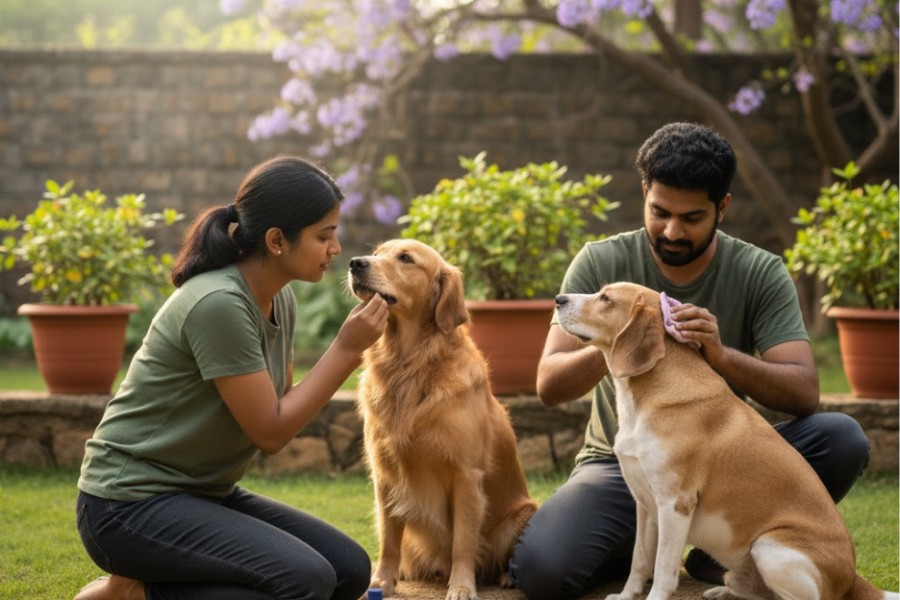
Creating Your Home Health Monitoring Routine
Daily 5-Minute Quick Check:
- Observe energy level and appetite
- Check eyes, nose, and breathing
- Note urination and defecation
Weekly 15-Minute Thorough Exam:
- Full-body palpation for lumps
- Dental and gum examination
- Paw and nail inspection
- Weight monitoring (use home scale)
Monthly Documentation:
- Take photos of any concerning areas
- Update health journal with patterns
- Review and compare to previous month
Conclusion:
For Bangalore’s dedicated dog parents navigating everything from Bannerghatta Road’s dusty trails to HSR Layout’s apartment living, mastering how to check dog health at home transforms from optional skill to essential responsibility. The 15 minutes you invest in regular home monitoring can mean the difference between catching a minor infection early and facing a medical emergency.
Remember, home health checks complement- never replace- professional veterinary care. They empower you with knowledge, help you communicate symptoms accurately to your vet, and most importantly, deepen the bond with your four-legged family member through attentive, loving care.
Start today with just the daily five-minute routine. Your dog’s wagging tail, bright eyes, and boundless energy will be the best reward for your vigilant care. Because in the end, a healthy dog isn’t just a pet- their family, and family deserves our very best attention.