
-
Price range: ₹940 through ₹5,200 Incl. GST

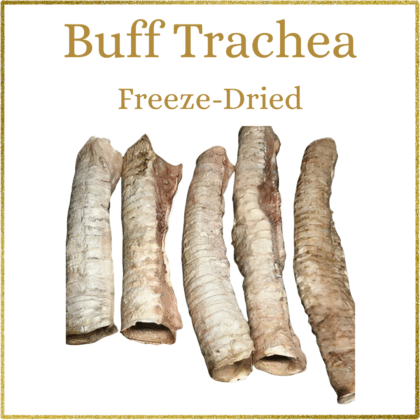
Freeze-Dried Buffalo Trachea
-
Price range: ₹1,100 through ₹4,500 Incl. GST
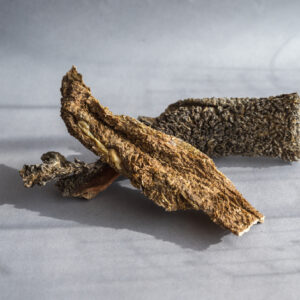

Freeze-Dried Buffalo Tripe
-
Price range: ₹600 through ₹2,400 Incl. GST

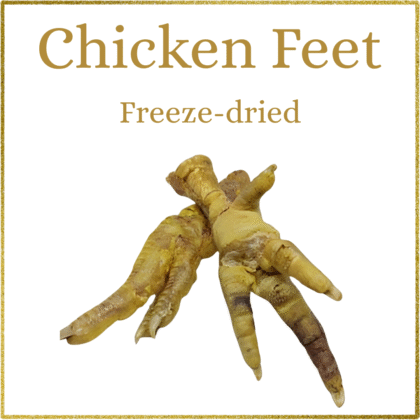
Freeze-Dried Chicken Feet
-
Price range: ₹600 through ₹1,800 Incl. GST
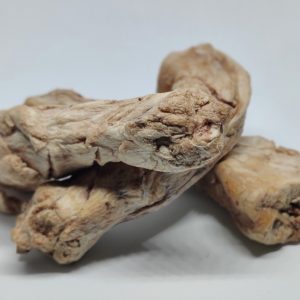
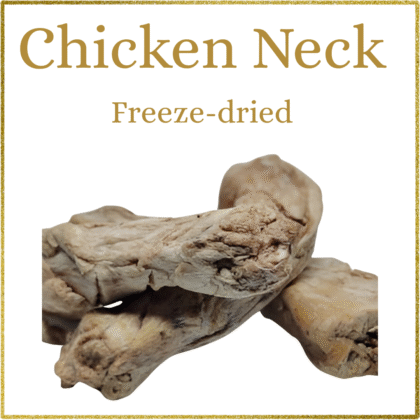
Freeze-Dried Chicken Necks
-
Price range: ₹820 through ₹3,100 Incl. GST

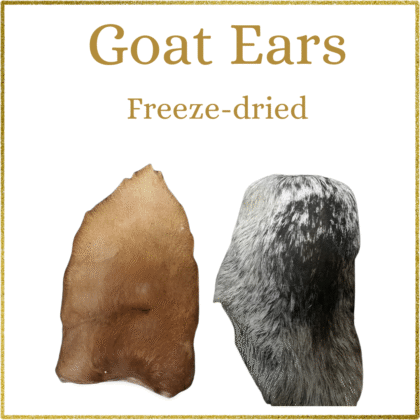
Freeze-Dried Goat Ears
-
Price range: ₹1,000 through ₹3,100 Incl. GST
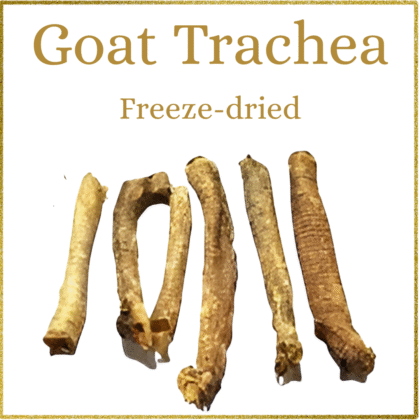
Freeze-Dried Goat Trachea
-
Price range: ₹1,250 through ₹7,000 Incl. GST
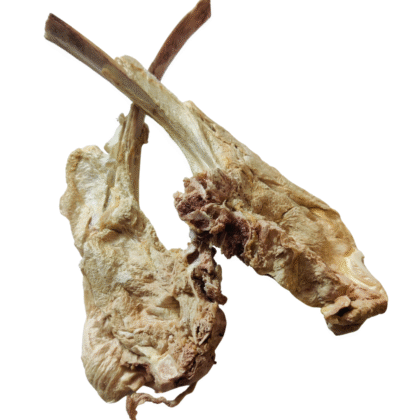
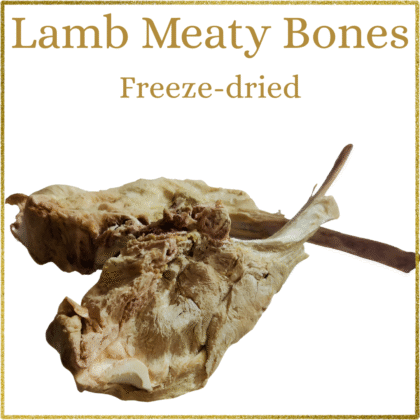
Freeze-Dried Meaty Lamb Bones
-
Price range: ₹1,500 through ₹4,000 Incl. GST
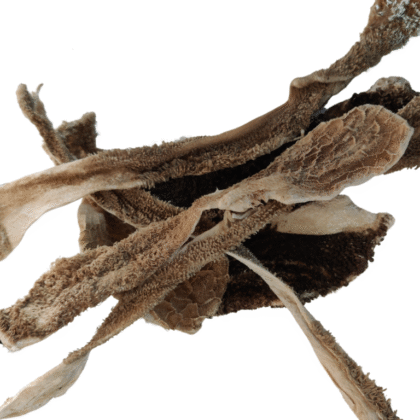
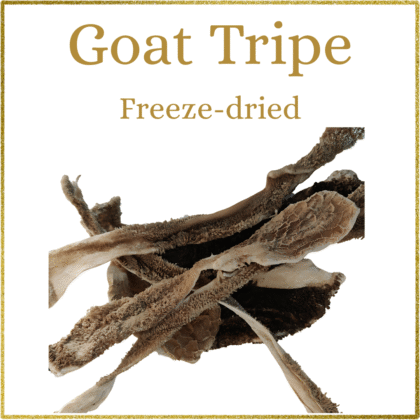
Goat Tripe
-
Price range: ₹620 through ₹5,700 Incl. GST
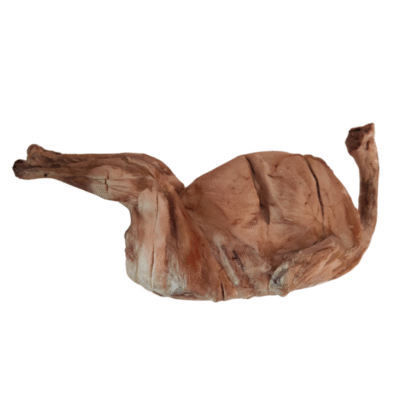
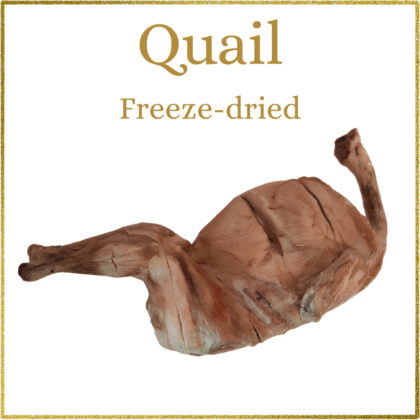
Quail
-
Price range: ₹600 through ₹3,300 Incl. GST

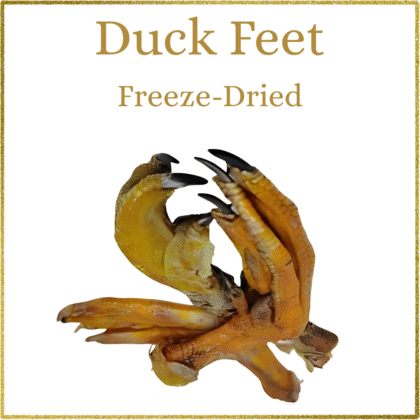
Snackies – Duck Feet
-
Price range: ₹750 through ₹5,450 Incl. GST


Snackies – Duck Head
-
Price range: ₹720 through ₹3,000 Incl. GST

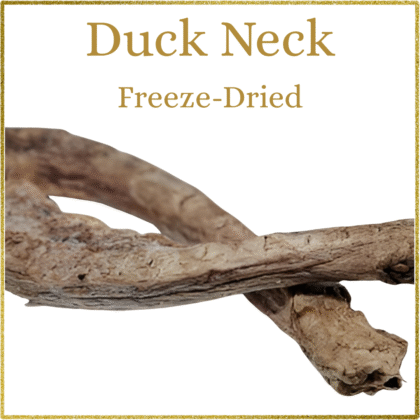
Snackies – Duck Necks
-
Price range: ₹750 through ₹3,300 Incl. GST

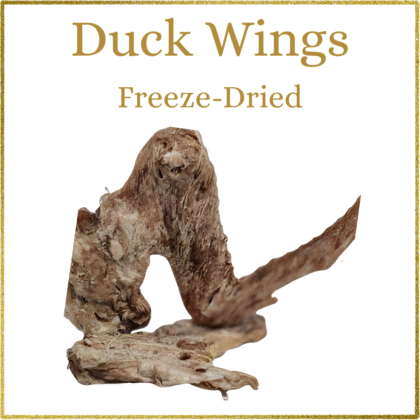
Snackies – Duck Wings
Premium Dog Chews for Happy, Healthy Dogs
All dogs need a treat that is more than just a good one. At Georgina’s Kitchen, our dog chews are designed to support dental health, reduce boredom, and keep your dog engaged and satisfied. Whether you’re rewarding good behaviour or simply keeping your pup occupied, the right dog chew treats can make a meaningful difference to their overall wellbeing.
Why Dog Chews Are Essential
Dogs have the instinct to chew. High-quality, safe chews will satisfy this desire and discourage destructive behaviors such as chewing furniture, shoes, or other household objects. More importantly, the chewing motion helps reduce the accumulation of plaque and tartar, making teeth and gums healthier.
Dog chews also play a role in emotional wellbeing. The act of chewing, which is repetitive, produces relaxing endorphins and is therefore helpful for nervous dogs or pets that spend most of the day alone. A good chew provides mental stimulation, relaxation, and keeps them better occupied.
Choosing the Right Dog Chew Treats
Not all dog chew treats are the same. Choosing the right one depends on the size, age, and chewing strength of your dog. Power chewers require durable and long-lasting chews that do not easily break, whereas puppies and older dogs need softer chews that are gentle on their teeth.
Ingredients are equally important as durability. Always prefer chews made from high-quality natural ingredients with minimal processing. Single-ingredient protein chews or products with a small, transparent ingredient list are ideal. Avoid artificial colors, flavors, and preservatives that may cause digestive issues or allergies.
Digestibility is another key factor. The best dog chews break down safely in your dog’s system, reducing the risk of choking or intestinal blockages.
Benefits of Regular Chewing
There are several health and behavioral advantages to adding chews to your dog’s routine. One of the most noticeable benefits is improved dental hygiene. Chewing naturally scrapes away plaque and massages the gums, helping prevent bad breath, gum disease, and costly dental treatments.
Chews are also essential for mental stimulation. Dogs need daily engagement, and a long-lasting chew can keep them entertained for extended periods. This is especially useful for busy pet parents who want their dogs to stay happy and occupied throughout the day.
Additionally, chewing helps release excess energy, reducing restlessness and unwanted behaviors.
The Georgina Kitchen Promise
At Georgina Kitchen, quality and safety are our top priorities. All our products are carefully selected to ensure they meet high standards of nutrition, taste, and durability. We work with trusted manufacturers who follow ethical sourcing practices and use natural ingredients to support your pet’s health.
We offer a variety of textures, sizes, and flavors to suit different chewing styles and needs—from long-lasting chews to softer options. Every product is designed to provide enjoyment while supporting your dog’s dental health, mental stimulation, and overall happiness.
Frequently Asked Questions About Dog Chews
How often should I give my dog chew treats?
A: Chews should be given in moderation as part of your dog’s overall diet. Most dogs can have one chew per day, especially for health benefits. Smaller training chews can be given more occasionally. Always adjust meal portions accordingly and consult your veterinarian for personalized advice.
What are the safest chews for aggressive chewers?
A: Dogs with strong chewing power require durable, long-lasting options such as thick natural chews, heavy-duty rubber chews, or products specifically designed for strong jaws. Avoid cooked bones or brittle materials that may splinter. Always supervise chewing sessions and remove small leftover pieces that could be swallowed.
Can puppies have dog chews?
A: Yes, puppies benefit greatly from appropriate chews, especially during the teething phase. Choose soft or puppy-safe rubber chews that won’t damage developing teeth or irritate gums. Avoid very hard chews until your puppy’s adult teeth have fully developed.
Are natural dog chews better than synthetic ones?
A: Natural chews are often healthier, provide added nutritional benefits, and are easier to digest, making them a great option for most dogs. However, high-quality synthetic chews can be more durable and long-lasting. The best choice depends on your dog’s chewing habits, dietary needs, and your personal preference.
Do dog chews really help with dental health?
A: Yes, the texture and chewing action help remove plaque and food particles while promoting saliva production. This reduces bacterial buildup and supports healthier gums. However, chews should complement—not replace—regular brushing and professional dental care.
What if my dog is not interested in chews?
A: Try different textures, sizes, or protein sources to find what your dog prefers. Some dogs enjoy soft chews, while others prefer crunchy or long-lasting options. You can also introduce chews during calm moments or encourage engagement to build interest.