
Every pet parent wants our furry companions to live long, healthy, and happy lives. While constant exercise, affection, and routine vet visits are essential, nothing influences your dog’s overall health more deeply than a well-balanced diet for Dogs. Just like humans, dogs rely on a precise combination of nutrients to support their bones, muscles, immune system, skin, coat, digestion, and even mental well-being.
Yet, many pet owners struggle to understand what truly makes up a nutritious diet for dogs. With new brands, trends, and conflicting nutritional advice everywhere, it becomes challenging to make the right decision. In this article, we break down the science behind a well-balanced diet for Dogs, interpret the nourishing ingredients that matter most, and reveal how the proper diet can help your dog enjoy lifelong wellness.
Why a Well-Balanced Diet for Dogs Matters
All stages of a dog’s life, puppy, adult, or senior, demand specific nutrients. A well-balanced diet for Dogs ensures your pet acquires the right balance of proteins, fats, carbohydrates, vitamins, minerals, and water. When these nutrients work together in harmony, they fuel essential bodily processes such as:
- Cell growth and repair
- Muscle development
- Digestive capability
- Brain function
- Skin and coat health
- Immunity and disease resistance
- Joint mobility and bone strength
Without proper balance, dogs may face long-term issues such as obesity, allergies, digestive disorders, lethargy, weak immunity, or malnutrition. That’s why understanding the fundamentals of nutrition is the first step to shaping a healthier future for your pet.

Crucial Nutritional Components of a Well-Balanced Diet for Dogs
1. High-Quality Protein – The Building Block of Health
Protein is crucial for muscle development, immune power, and whole organ function. Dogs are certainly inclined towards protein-rich diets.
A well-balanced diet for Dogs should incorporate top-quality protein sources such as:
- Chicken
- Fish
- Turkey
- Lamb
- Eggs
- Organ meats
Some premium dog foods also incorporate ingredients like air-dried chicken meal, which provides dense, biologically appropriate protein without unnecessary fillers.
Dogs with an adequate protein intake show improved stamina, lean body mass, and better recovery after exercise.
2. Healthy Fats – Fuel for Energy & a Shiny Coat
Fats are a concentrated energy source and play an essential role in brain development, hormone production, and skin health. Among the fats, especially the Omega-3 and Omega-6 fatty acids, which are the most important for a pet’s health by their anti-inflammatory property, enhancing cognitive skills, and making the dog’s coat shiny and soft. The familiar fat sources that are found in dog diets are:
- Fish oil
- Chicken fat
- Flaxseed
- Sunflower oil
A well-balanced diet for Dogs must include the correct fat-to-protein ratio to prevent excess weight gain.
3. Carbohydrates – For Digestive Wellness and Steady Energy
While dogs are essentially carnivores, they can digest carbohydrates efficiently. Healthy carbs support energy levels, gut function, and nutrient absorption.
Good carbohydrate sources include:
- Sweet potatoes
- Brown rice
- Oats
- Pumpkin
- Carrots
These not only provide energy but also dietary fiber, which is essential for maintaining digestive balance and preventing constipation.
4. Vitamins & Minerals – The Substance of Immunity
A strong immune system depends on micronutrients such as vitamins A, E, C, and D, as well as the B-complex vitamins, calcium, magnesium, iron, and zinc.
A well-balanced diet for Dogs makes sure your pet receives the correct amounts of these nutrients to support:
- Bone strength
- Nerve function
- Immunity
- Vision
- Tissue repair
Insufficiencies can mitigate your dog’s resistance to disease and slow healing.
5. Water – The Most Overlooked Nutrient
Hydration fuels digestion, temperature management, joint health, and toxin elimination. Dogs should constantly be allowed access to clean, fresh water. Dehydration, even mild, can affect energy states and organ function.
How Nutrition Shapes Your Dog’s Lifetime Well-being
1. Supports Healthy Growth in Puppies
Initial nutrition has a persistent influence on a dog’s growth and development. Puppies need a well-balanced diet rich in protein, calcium, DHA, and vitamins to support bone density, brain development, and muscle growth.
A balanced puppy diet prevents developmental disorders like hip dysplasia and weak immunity.
2. Maintains Optimal Weight in Adult Dogs
Obesity is one of the most common health problems in pets. A nutritious, portion-controlled diet helps maintain a healthy weight, reducing the risk of:
- Diabetes
- Heart disease
- Joint issues
- Reduced longevity
Feeding an adult dog a well-balanced diet ensures the perfect balance of calories, proteins, and fats.
3. Supports Joint and Heart Health in Senior Dogs
Senior dogs often experience joint stiffness, reduced mobility, and declining immunity. Energy-controlled diets rich in antioxidants, glucosamine, chondroitin, and Omega-3 fatty acids help seniors stay active and comfortable.
A diet that includes premium ingredients supports intellectual function and reduces the possibility of chronic diseases in older dogs.
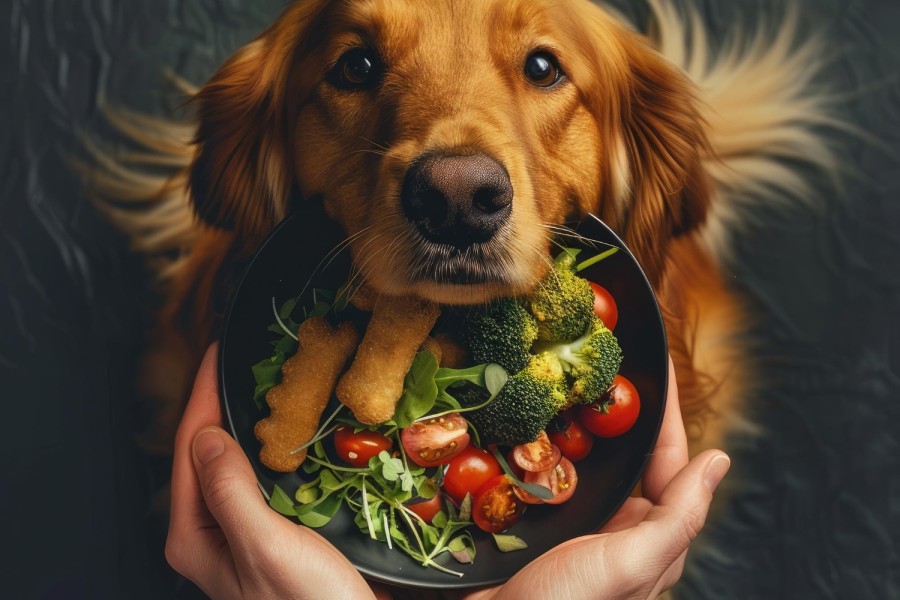
Understanding Commercial Dog Food Labels
Several dog owners strive to decode ingredient lists. Here’s what to look for:
- A named protein (e.g., chicken, lamb, salmon) as the first ingredient
- No artificial colours, flavours, or preservatives
- Whole food ingredients
- Limited fillers like corn and soy
- Clear nutritional analysis
High-quality brands, like those offered at Georgina’s Kitchen, emphasize real, wholesome ingredients that contribute to a Balanced Diet for Dogs.
Why Natural & Minimally Processed Foods Are Better
The production process can significantly reduce the nutritional value of refined foods. The nutrition-enriched, digestible nature of natural diets, air-dried foods, and gently cooked meals makes them healthy. Basically, minimally processed meals contribute to:
- Improve skin & coat quality
- Enhance digestion
- Reduce allergies
- Increase energy
- Strengthen immunity
This is why many pet parents are shifting to more transparent and nutritious food solutions.
Common Signs Your Dog’s Diet Is Not Balanced
A warning: Dogs that are nourished with fancy food that does not have everything that is required within it may show:
- Dull coat
- Excessive shedding
- Weight gain or loss
- Gas, bloating, or irregular stools
- Low energy
- Frequent infections
- Itching or dry skin
If you observe any of these symptoms, it may be time to reassess their diet and switch to a Well Balanced Diet for Dogs.
How Georgina’s Kitchen Helps Your Dog Eat Better
Georgina’s Kitchen keeps it simple when it comes to dog nutrition: every dog is entitled to fresh, wholesome meals that are prepared with love and science. TheWell Balanced Diet for Dogs is the main factor behind their recipes, which include:
- High-quality protein
- Digestible carbohydrates
- Natural fats
- Essential vitamins & minerals
- No artificial additives
These meals are designed to enhance gut health, energy levels, coat quality, and overall vitality.

Conclusion
The great thing about science is its accuracy – it tells us that good nutrition is the key factor in determining not only the health and longevity of dogs but also their happiness. A dog fed a well-balanced diet will get the nutrients needed to support all bodily functions, including firm muscles and a shiny coat, a bright mind, and a strong immune system.
Choosing high-quality ingredients, understanding your dog’s nutritional needs, and selecting premium foods such as those from Georgina’s Kitchen can make a significant difference in your pet’s life.
Feed wisely today, your dog’s future depends on it.